

Sciatica can make even simple daily activities feel difficult. Pain often starts in the lower back and travels through the hips, buttocks, and legs, creating discomfort that affects work, exercise, and rest. Many people seek non-surgical options to manage symptoms, and chiropractic care remains one of the most commonly chosen approaches. A chiropractor may use spinal adjustments, soft tissue therapy, posture guidance, and targeted exercises to help reduce sciatic nerve irritation, improve mobility, and support long-term spinal health.
1. Identifying the Root Cause of Sciatica
Sciatica is a symptom rather than a condition itself. Herniated discs, spinal stenosis, bone spurs, and muscle imbalances can all place pressure on the sciatic nerve. Chiropractors perform evaluations to determine what is contributing to the pain so treatment focuses on the source rather than just the symptoms. According to the National Institute of Neurological Disorders and Stroke, sciatica most often occurs when a herniated disk or bone spur compresses part of the nerve.
- Evaluates spinal alignment and movement
- Identifies nerve compression sources
- Creates targeted treatment plans
2. Reducing Pressure Through Spinal Adjustments
Spinal adjustments are among the most recognized chiropractic treatments for sciatica. Gentle manipulation can improve spinal motion and help reduce irritation affecting the sciatic nerve. Many patients notice reduced discomfort after a series of visits, especially when nerve compression is related to spinal alignment issues.
- Improves joint mobility
- Reduces nerve irritation
- Supports natural movement patterns
3. Improving Mobility in the Lower Back
Restricted movement often develops when sciatica pain causes a person to avoid certain activities. Chiropractors work to restore normal motion in affected areas of the spine and pelvis. Better movement can help reduce stiffness and make daily tasks easier to perform.
- Addresses joint restrictions
- Reduces stiffness
- Supports flexibility
4. Using Soft Tissue Therapy to Relax Tight Muscles
Tight muscles surrounding the hips and lower back can worsen sciatic nerve irritation. Chiropractors often use massage techniques and myofascial release to decrease muscle tension. Improved circulation may also help support recovery in irritated tissues.
- Relaxes tense muscles
- Promotes circulation
- Reduces muscle-related discomfort
5. Recommending Exercises That Support Recovery
Exercise often plays an important role in managing sciatica symptoms. Chiropractors frequently recommend stretches and strengthening movements tailored to individual needs. Research from the National Institute of Arthritis and Musculoskeletal and Skin Diseases notes that physical activity can help improve many forms of back pain.
- Strengthens core muscles
- Improves flexibility
- Supports recovery between visits

6. Helping Improve Posture
Poor posture can increase stress on the lower back and contribute to nerve irritation over time. Chiropractors often educate patients about sitting, standing, and lifting techniques that reduce strain. Small posture improvements can make a noticeable difference throughout the day.
- Reduces spinal stress
- Encourages healthy body mechanics
- Supports long-term comfort
7. Providing Drug-Free Pain Management
Many individuals prefer conservative treatment options before considering invasive procedures. Chiropractic care offers a non-drug approach that focuses on physical correction and rehabilitation. This may help some patients reduce reliance on pain medications while addressing underlying issues.
- Non-invasive treatment option
- Supports natural recovery
- May reduce medication dependence
8. Supporting Nervous System Function
The spine protects the nervous system, which controls communication throughout the body. When spinal joints are not functioning properly, irritation may affect surrounding tissues. Chiropractic care focuses on improving spinal function, which can support overall nervous system health.
- Encourages healthy nerve communication
- Supports spinal function
- Promotes overall wellness
9. Helping Prevent Future Sciatica Episodes
Many people seek chiropractic care after symptoms improve because they want to avoid recurring pain. Maintenance visits can help identify developing problems before they become severe. Preventive care often becomes part of a broader wellness strategy.
- Monitors spinal health
- Addresses minor issues early
- Supports long-term comfort

10. Creating Personalized Treatment Plans
Every case of sciatica is different. One office worker may develop symptoms from prolonged sitting while another individual experiences pain after an injury. Chiropractors tailor treatment recommendations based on health history, symptoms, lifestyle factors, and examination findings.
- Customized care strategies
- Treatment based on individual needs
- Focused recovery goals
Key Takeaways About Chiropractors and Sciatica Relief
- Chiropractors can identify underlying causes contributing to sciatic nerve pain.
- Spinal adjustments may help reduce nerve irritation and improve mobility.
- Soft tissue therapy and exercises often complement chiropractic treatment.
- Posture correction can reduce strain on the lower back.
- Ongoing chiropractic care may help prevent future sciatica flare-ups.
Frequently Asked Questions
Can Chiropractors Help With Sciatica Caused by a Herniated Disc?
Many chiropractors treat patients with herniated disc related sciatica by focusing on reducing pressure around affected nerves and improving spinal movement.
How Many Chiropractic Visits Are Usually Needed for Sciatica?
Treatment timelines vary depending on the severity of symptoms, underlying causes, and individual response to care.
Is Chiropractic Treatment Painful?
Most chiropractic techniques involve controlled movements designed to improve function. Patients often report mild soreness similar to exercise after treatment.
Can Exercises Make Sciatica Worse?
Certain exercises may aggravate symptoms if performed incorrectly. Chiropractors typically recommend movements that match the patient’s condition and limitations.
When Should Someone Seek Medical Attention for Sciatica?
Immediate medical evaluation is recommended if sciatica is accompanied by severe weakness, loss of bladder or bowel control, or rapidly worsening symptoms.
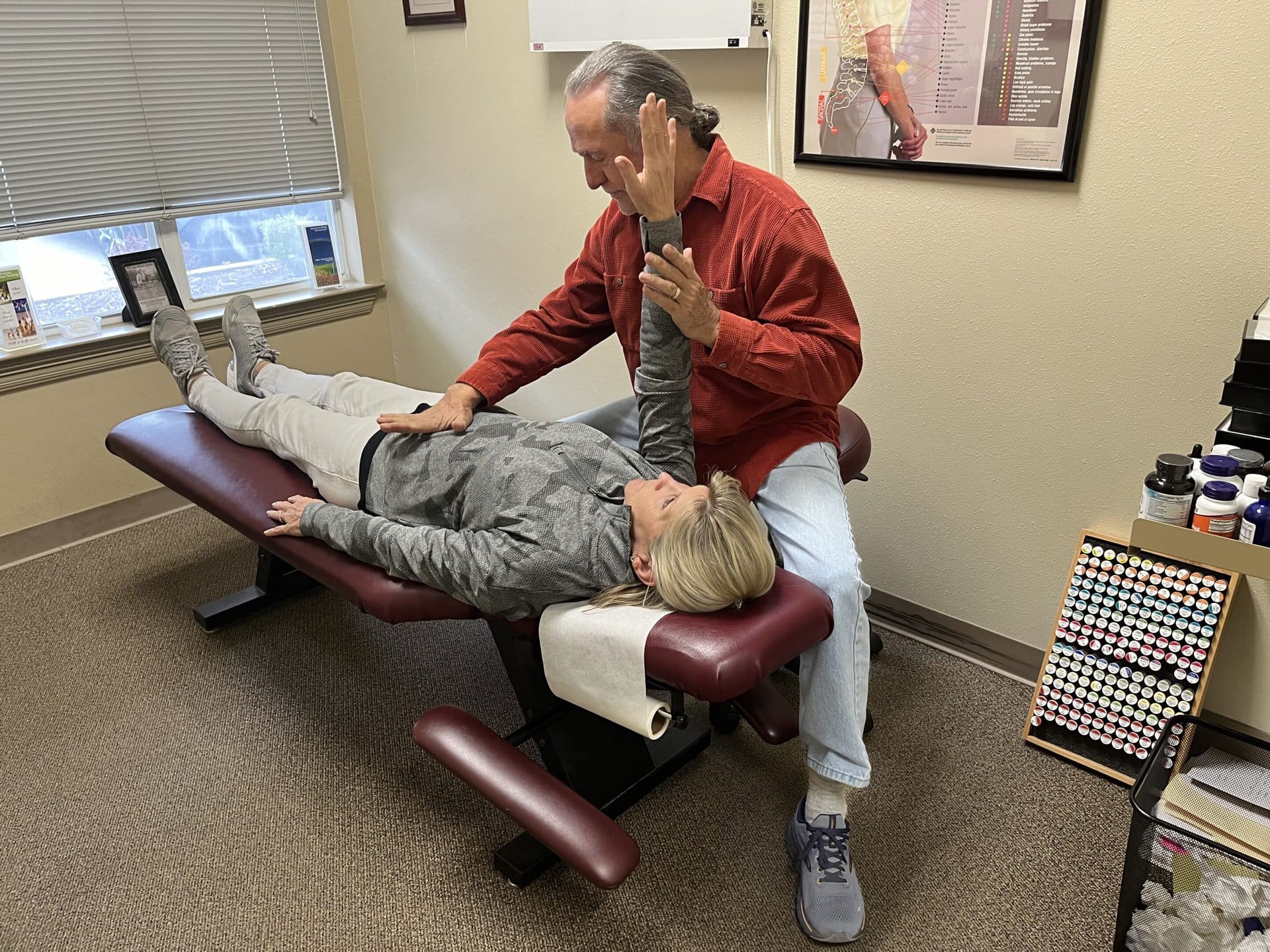
Mandeville Total Wellness specializes in Nutrition Response Testing, Chiropractic Care and other wellness treatments, dedicated to fostering your body’s natural healing abilities. Our team combines years of expertise in nutrition and chiropractic wellness with a passion for holistic health, offering personalized care tailored to each individual’s needs. Grounded in the belief that true wellness comes from harmony within the body’s systems, we are at the forefront of a health revolution, guiding you towards optimal health. Discover a vibrant, healthier you with Mandeville Total Wellness, your partners in holistic healing.