

Chiropractic care has long been recognized for its ability to alleviate back pain and improve spinal health, but its role in complementing other forms of therapy is often overlooked. In exploring how chiropractic care complements other therapeutic practices, it’s clear that it offers significant benefits, enhancing the effectiveness of various treatment modalities. This article delves into the synergy between chiropractic care and therapies such as physical therapy, massage, acupuncture, and more, demonstrating how they work together to promote holistic health.
Synergy with Physical Therapy
Chiropractic care is not just about making adjustments; it may also be used alongside rehabilitation approaches such as exercise and physical therapy for certain musculoskeletal conditions. For instance, a patient recovering from an injury might receive chiropractic care while a physical therapist focuses on strength, mobility, and movement. Treatment plans should be tailored to the condition because results vary and combining therapies does not automatically shorten recovery time. The National Center for Complementary and Integrative Health reports that spinal manipulation may provide small improvements in pain and function for people with acute or chronic low-back pain. (NCCIH)
- Chiropractors and physical therapists may coordinate care when both services are appropriate.
- Adjustments may help address certain mobility and musculoskeletal concerns while physical therapy focuses on exercise and rehabilitation.
- Recovery time depends on the injury, treatment plan, health status, and individual response.
- Spinal manipulation has been associated with small improvements in pain and physical function for some people with low-back pain.
Enhancing Effects of Massage Therapy
Combining chiropractic adjustments with massage therapy can lead to profound enhancements in overall wellness. By first ensuring the spine is properly aligned, chiropractors set the stage for massage therapists to more effectively work on soft tissues. This approach not only enhances muscle relaxation but also improves circulation and reduces recovery time from muscle injuries.
- Chiropractic care prepares the body to respond better to massage by aligning the spine.
- Improved blood flow from combined therapies can accelerate healing processes.
- Patients often experience increased range of motion and decreased pain as a result.

Integrating with Acupuncture
Chiropractic care and acupuncture share a common goal: to promote the body’s natural healing abilities. When used together, they offer a powerful combination for managing pain and enhancing overall health. Acupuncture can complement chiropractic care by targeting areas that adjustments might not fully reach, providing a comprehensive approach to pain management.
- Both practices focus on restoring balance within the body.
- Acupuncture can enhance the effects of chiropractic care by stimulating nerve-rich areas.
- Combining these therapies often leads to improved outcomes in chronic pain management.
Chiropractic Care in Occupational Therapy
Chiropractic care may complement occupational therapy for some patients dealing with workplace injuries or repetitive stress disorders. Chiropractors can address certain musculoskeletal concerns while occupational therapists focus on helping patients perform work and daily activities safely. This coordinated approach may also include ergonomic changes that reduce strain during job tasks. The CDC’s National Institute for Occupational Safety and Health explains that healthcare providers can work with employers to understand job demands and employee capabilities, which can help guide return-to-work planning after a work-related musculoskeletal problem. (CDC)
- Chiropractic adjustments may complement occupational therapy exercises when clinically appropriate.
- This combination may help address mobility and musculoskeletal concerns during rehabilitation.
- Patients working in physically demanding jobs may benefit from treatment plans tailored to their job duties.
- Coordinating with employers about job demands and worker capabilities can help healthcare providers plan a safer return to work.
Complementing Nutritional Counseling
Nutritional counseling and chiropractic care together address both the structural and biochemical aspects of healing. Chiropractors often collaborate with nutritionists to optimize dietary plans that support musculoskeletal health, thereby enhancing the therapeutic effects of both modalities.
- Proper nutrition can speed up the healing process supported by chiropractic care.
- Dietary changes can reduce inflammation, benefiting chiropractic treatments.
- A holistic approach to diet and spine health can significantly improve patient outcomes.

Collaborating with Advanced Allergy Therapeutics
Advanced Allergy Therapeutics and chiropractic care both aim to enhance the body’s immune response and reduce sensitivity to allergens. By improving spinal alignment, chiropractic care ensures that the nervous system functions optimally, which is crucial for effective allergen desensitization.
- Chiropractic adjustments can help in better regulation of the immune system.
- Patients often notice a decrease in allergy symptoms when combining these treatments.
- This therapy pairing is especially beneficial for those with persistent allergic reactions.
Yoga and Chiropractic for Flexibility
Yoga and chiropractic care are a natural fit, each supporting the other in promoting flexibility and spinal health. Regular yoga practice can enhance the benefits of chiropractic adjustments, while the precise alignment from chiropractic care can make yoga poses more effective and safer.
- Both practices emphasize natural body alignment and flexibility.
- Chiropractic care can reduce the risk of injury during yoga.
- Many yoga enthusiasts find that adjustments improve their technique and comfort.
Boosting Mental Health
The relationship between physical and mental health is well documented, especially when persistent pain begins affecting daily life. Chiropractic care may help address certain musculoskeletal problems, while mental health therapies such as cognitive behavioral therapy address emotional and behavioral concerns through established psychological methods. Reducing pain or improving physical function may support general well-being, but chiropractic treatment is not considered a direct treatment for anxiety or depression. The CDC’s National Center for Health Statistics reported that 24.3% of U.S. adults experienced chronic pain in 2023, while 8.5% experienced high-impact chronic pain that frequently limited work or life activities. (CDC)
- Chiropractic care may help address certain types of musculoskeletal pain and mobility problems.
- Reducing physical discomfort may support daily functioning and general well-being.
- Mental health therapies such as cognitive behavioral therapy remain appropriate for treating anxiety, depression, and related concerns.
- In 2023, nearly one in four U.S. adults experienced chronic pain, showing how common pain-related health challenges are. (CDC)

Key Takeaways on How Chiropractic Care Complements Other Therapies
- Chiropractic adjustments may complement several therapeutic practices when clinically appropriate.
- Patients can benefit from a coordinated approach that combines chiropractic care with other forms of treatment.
- Integrating chiropractic care may support pain management, mobility, and physical function during recovery.
- Chiropractic care can work alongside physical therapy, occupational therapy, and other rehabilitation services.
- Coordinated treatment plans can help different healthcare providers address separate aspects of a patient’s condition.
Frequently Asked Questions
- Can chiropractic adjustments reduce the need for medication? Yes, many patients find that regular chiropractic care reduces their reliance on pain relievers and other medications by addressing the root causes of their discomfort.
- Are there any risks in combining chiropractic care with other therapies? When performed by licensed professionals, the combination is generally very safe and can be highly beneficial. However, it’s always important to discuss all your treatments with each healthcare provider involved.
- How quickly can I see results from combining chiropractic care with other therapies? Results can vary depending on the individual and the specific conditions being treated, but many patients notice improvements within a few weeks.
- Is chiropractic care suitable for children and the elderly? Yes, chiropractic care can be adapted to suit people of all ages, providing benefits from improved mobility and pain management to enhanced growth and development in children.
- What should I look for in a chiropractor if I want to integrate other therapies? Look for a chiropractor who is experienced in working as part of a multidisciplinary team and who is open to collaborating with other healthcare professionals to best support your health needs.
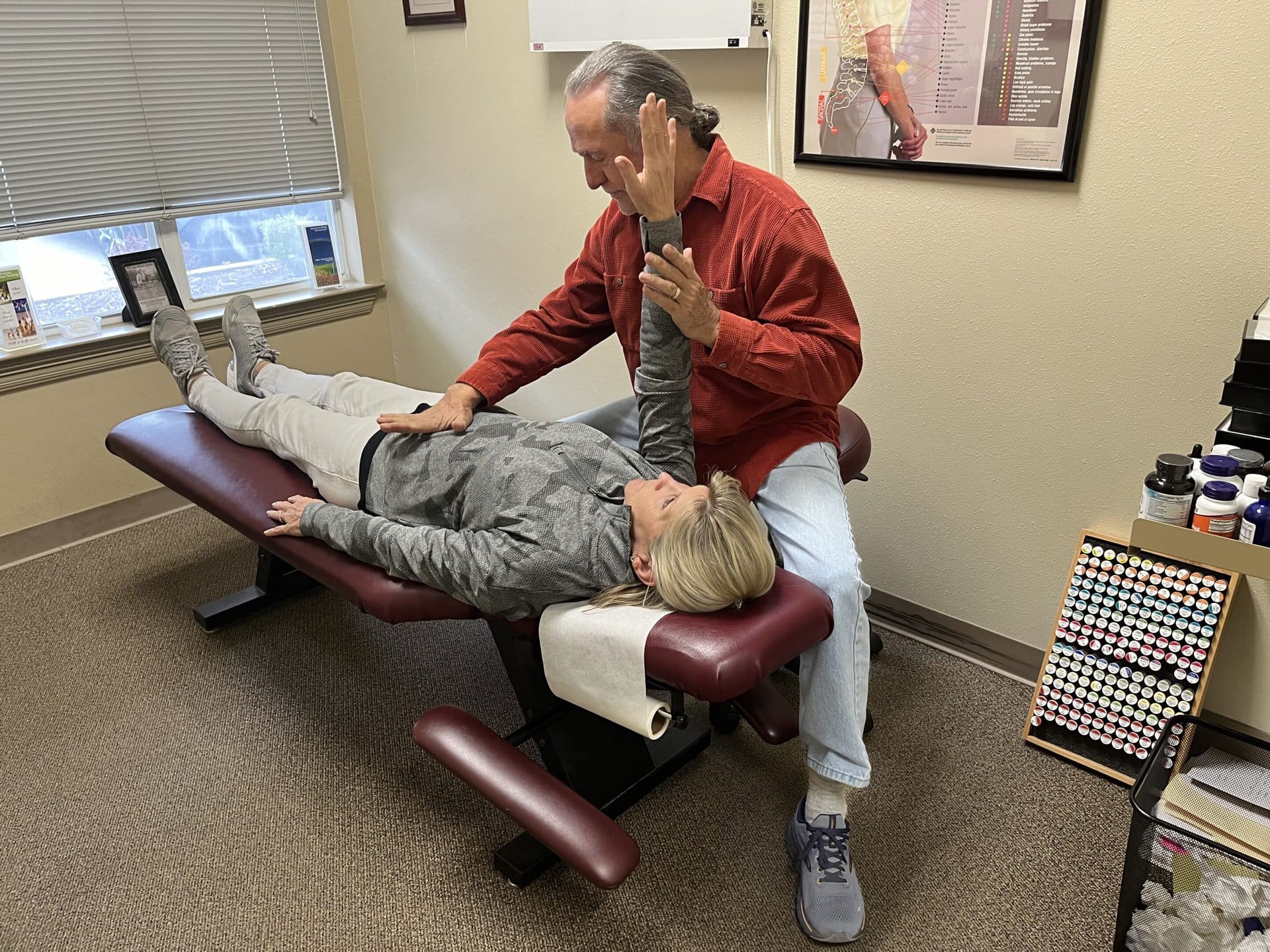
Mandeville Total Wellness specializes in Nutrition Response Testing, Chiropractic Care and other wellness treatments, dedicated to fostering your body’s natural healing abilities. Our team combines years of expertise in nutrition and chiropractic wellness with a passion for holistic health, offering personalized care tailored to each individual’s needs. Grounded in the belief that true wellness comes from harmony within the body’s systems, we are at the forefront of a health revolution, guiding you towards optimal health. Discover a vibrant, healthier you with Mandeville Total Wellness, your partners in holistic healing.