

Stress and mental health challenges have become increasingly common in today’s fast-paced world, affecting millions of people globally. While traditional methods of managing stress and mental health issues often involve medication or therapy, many individuals seek alternative treatments that address both the mind and body. Chiropractic care offers a natural, non-invasive approach to improving mental well-being by targeting the nervous system and promoting overall health. According to the Centers for Disease Control and Prevention, nearly 1 in 5 U.S. adults live with a mental health condition, highlighting the importance of exploring supportive approaches that may contribute to overall wellness and stress management.
The Connection Between Chiropractic Care and Mental Health
Chiropractic care is often associated with physical health, particularly the spine and joints, but its benefits extend far beyond these areas. Chiropractors use spinal adjustments to correct misalignments, which can have a significant impact on the nervous system. By improving the function of the nervous system, chiropractic care can help reduce stress levels, alleviate anxiety, and improve mental clarity. For example, someone who has been dealing with chronic stress might find that regular chiropractic sessions help them manage their symptoms more effectively, leading to better mental health overall.
- The nervous system is directly linked to how the body manages stress.
- Regular chiropractic adjustments can help reduce the physical effects of stress.
- Many people report improved mood and reduced anxiety after chiropractic care.
How Chiropractic Adjustments Support Stress Relief
Chiropractic adjustments use controlled force to improve joint mobility and address certain musculoskeletal problems, particularly back and neck discomfort. Claims that spinal “misalignments” interfere with nerve signals and directly cause stress are not well established, but reducing physical pain or stiffness may make it easier for some people to relax and manage everyday tension. The National Center for Complementary and Integrative Health reports that spinal manipulation may produce modest improvements in pain and function for people with low-back pain. Chiropractic care can therefore be considered one possible component of a broader stress-management routine when physical discomfort contributes to tension. (NCCIH)
- Chiropractic adjustments may help improve mobility and reduce certain types of musculoskeletal discomfort.
- Reducing physical discomfort may make relaxation and normal activity easier for some patients.
- Chiropractic care can be combined with exercise, sleep, and other established stress-management practices.
- Spinal manipulation has shown modest benefits for low-back pain and function, giving chiropractic care an evidence-supported role in managing some physical sources of stress.
Chiropractic Care for Anxiety and Depression
Anxiety and depression are common mental health conditions that often require care tailored to the individual. Chiropractic treatment may address accompanying problems such as muscle tension or musculoskeletal pain, but current evidence does not establish spinal adjustments as a treatment for anxiety or depression themselves. The National Institute of Mental Health identifies evidence-based psychotherapies as treatments that can reduce symptoms of anxiety, depression, and other mental disorders, while depression treatment commonly involves psychotherapy, medication, or both. Chiropractic care should therefore be viewed as complementary physical care rather than a replacement for established mental health treatment. (National Institute of Mental Health)
- The nervous system plays a role in mood and stress responses, but chiropractic adjustment has not been proven to correct mood disorders.
- Chiropractic care may help address physical discomfort that occurs alongside anxiety or depression.
- Patients using chiropractic care for wellness should continue prescribed mental health treatment unless their healthcare provider advises otherwise.
- Psychotherapy has established evidence for reducing anxiety and depression symptoms, so chiropractic care should complement rather than replace proven mental health treatment.

The Role of Chiropractic Care in Sleep Improvement
Quality sleep is essential for good mental health, but stress and anxiety can often interfere with the ability to get a good night’s rest. Chiropractic care can help improve sleep by reducing tension in the body and promoting relaxation. When the body is free of physical stress, it is easier to fall asleep and stay asleep throughout the night. Regular chiropractic adjustments can help regulate sleep patterns and improve overall sleep quality, leading to better mental health.
- Stress and anxiety are common causes of sleep disturbances.
- Chiropractic care can help reduce physical tension, making it easier to sleep.
- Improved sleep quality can lead to better mental health and overall well-being.
Overall Wellness Through Chiropractic Care
Chiropractic care is not just about treating specific conditions; it’s about promoting overall wellness. By ensuring that the spine and nervous system are functioning properly, chiropractic care supports the body’s natural ability to heal and maintain health. This holistic approach can help reduce stress, improve mental clarity, and enhance overall well-being. People who incorporate chiropractic care into their wellness routine often find that they experience less stress and feel more balanced in their daily lives.
- Chiropractic care supports the body’s natural healing processes.
- Regular adjustments can help maintain overall health and wellness.
- Many people report feeling more balanced and less stressed with regular chiropractic care.
Chiropractic Care and Chronic Stress Relief
Chronic stress can have a serious impact on both physical and mental health. Over time, chronic stress may contribute to problems such as headaches, sleep disorders, anxiety, and depression. Chiropractic care may help address musculoskeletal discomfort that can add to physical tension, though spinal manipulation has not been established as a direct treatment for chronic stress. The National Center for Complementary and Integrative Health reports that spinal manipulation may provide modest improvements in pain and function for people with low-back pain, which may help individuals whose physical discomfort adds to everyday stress. (NCCIH)
- Chronic stress can contribute to or worsen several physical and mental health problems.
- Chiropractic care may help manage musculoskeletal discomfort that accompanies periods of stress.
- Regular adjustments may provide relief from certain pain and mobility problems, but they are not proven to treat chronic stress itself.
- Spinal manipulation may offer modest improvements in low-back pain and physical function, potentially reducing one source of physical strain.
Finding the Right Chiropractor for Stress Management
Not all chiropractors are the same, and finding the right one can make a significant difference in your stress management journey. When looking for a chiropractor, it’s important to choose someone who understands the connection between physical health and mental well-being. Look for a chiropractor with experience in treating stress-related conditions and one who takes a holistic approach to care. A good chiropractor will work with you to develop a personalized treatment plan that addresses your unique needs and helps you achieve your health goals.
- Choose a chiropractor who understands the link between physical and mental health.
- Look for someone with experience in treating stress-related conditions.
- A personalized treatment plan can help you achieve better results.

Key Takeaways on How a Chiropractor Can Help With Stress
Chiropractic care offers a natural, non-invasive way to manage stress and improve mental health. By focusing on the health of the spine and nervous system, chiropractic care can help reduce stress, alleviate anxiety and depression, and promote overall well-being. Regular chiropractic adjustments can also improve sleep quality, which is essential for good mental health. Finding the right chiropractor is crucial for achieving the best results, so be sure to choose someone who understands the connection between physical health and mental well-being.
- Chiropractic care helps reduce stress and improve mental health by promoting a healthy nervous system.
- Regular adjustments can alleviate anxiety, depression, and other stress-related conditions.
- Improved sleep quality and overall wellness are additional benefits of chiropractic care.
- Finding the right chiropractor is essential for effective stress management.
Frequently Asked Questions About Chiropractic Care and Mental Health
1. How often should someone see a chiropractor for stress relief? It varies depending on the individual’s needs, but many people benefit from weekly or bi-weekly visits, especially when dealing with chronic stress.
2. Can chiropractic care replace traditional therapy for mental health issues? Chiropractic care should be seen as a complementary treatment rather than a replacement. It works best in conjunction with traditional therapy and medical treatments.
3. What specific techniques do chiropractors use to help with anxiety? Chiropractors often use spinal adjustments, soft tissue therapy, and exercises to help reduce the physical symptoms of anxiety and promote relaxation.
4. Are there any side effects to chiropractic care for mental health? Most people experience positive effects, but some may feel slight soreness after an adjustment. It’s important to communicate with your chiropractor about any discomfort.
5. How long does it take to see results from chiropractic care for stress and mental health? Some people notice improvements after just a few sessions, while others may require more time to experience significant benefits. Consistency is key to achieving the best results.
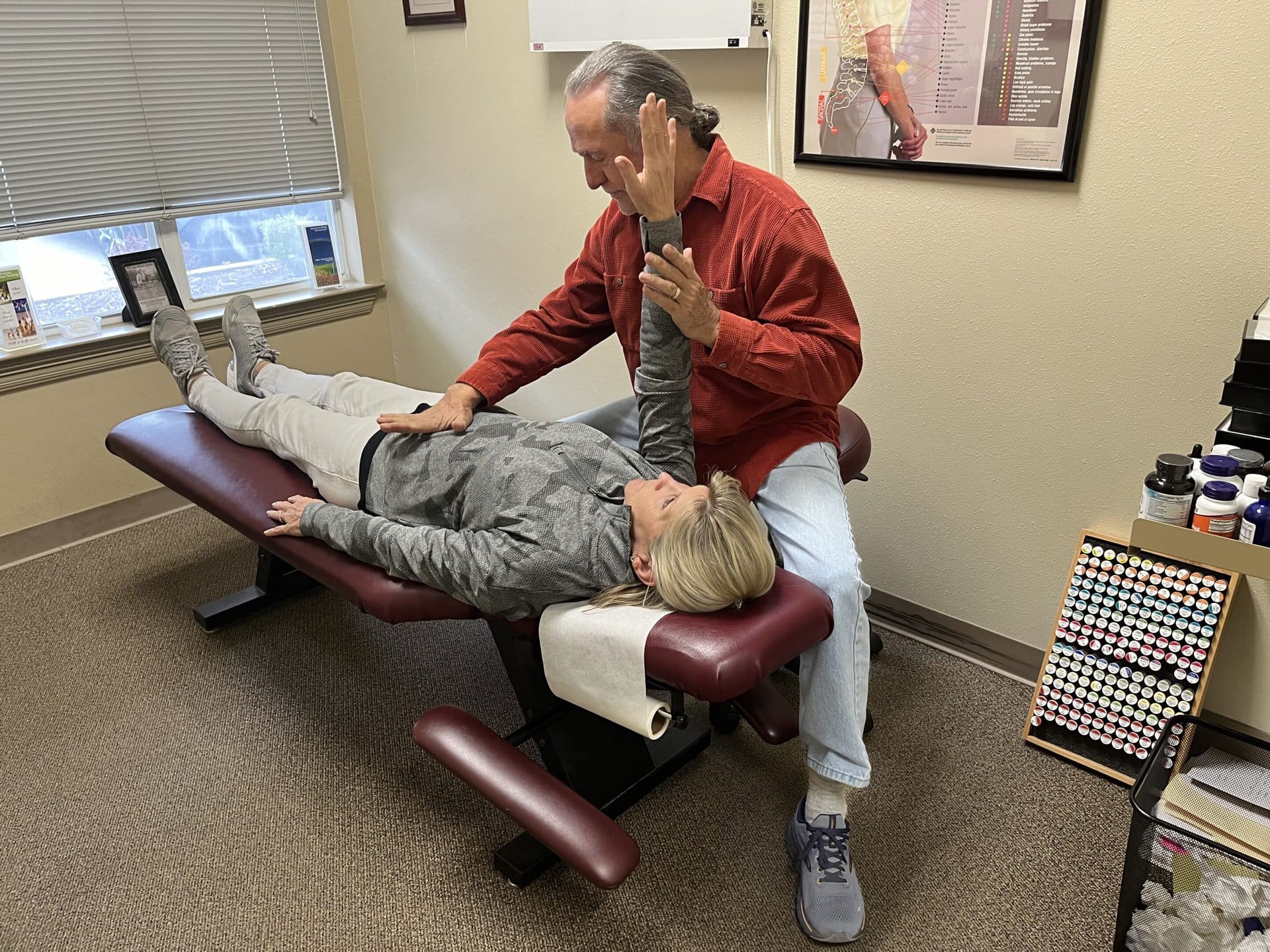
Mandeville Total Wellness specializes in Nutrition Response Testing, Chiropractic Care and other wellness treatments, dedicated to fostering your body’s natural healing abilities. Our team combines years of expertise in nutrition and chiropractic wellness with a passion for holistic health, offering personalized care tailored to each individual’s needs. Grounded in the belief that true wellness comes from harmony within the body’s systems, we are at the forefront of a health revolution, guiding you towards optimal health. Discover a vibrant, healthier you with Mandeville Total Wellness, your partners in holistic healing.