

Chiropractic care has been steadily gaining traction over the past few decades, with millions seeking relief from various aches, pains, and health issues. Whether it’s to relieve back pain, improve athletic performance, or simply feel better, the reasons to see a chiropractor are numerous and varied. The benefits often surprise even those who’ve had limited experience with this form of health care. Let’s dive into ten compelling reasons why chiropractic treatment could be just what you need.
1. Relieve Chronic Pain
If someone is plagued with lingering pain in the neck, shoulders, back, or elsewhere, chiropractic care may provide a non-invasive option for managing certain musculoskeletal conditions. A longtime sufferer of lower back pain may have tried physical therapy or medication before visiting a chiropractor, then experienced improvement through spinal manipulation and other appropriate treatments. The National Center for Complementary and Integrative Health reports that spinal manipulation may produce modest improvements in pain and function for people with acute or chronic low-back pain. (nccih.nih.gov) Chronic pain is also widespread, with the CDC reporting that 24.3% of U.S. adults experienced chronic pain in 2023. (cdc.gov)
- Chronic back pain affects millions of U.S. adults.
- Spinal manipulation may help reduce pain and improve function for some patients.
- Chiropractic care is commonly used for back, neck, and other musculoskeletal complaints.
- Nearly one in four U.S. adults experienced chronic pain in 2023, showing how widespread ongoing pain conditions are.
2. Improve Posture Naturally
Sitting at a desk or hunching over electronic devices for long periods can place added demands on muscles and joints. Chiropractic care may help address stiffness, restricted movement, and musculoskeletal discomfort, while ergonomic changes can reduce strain caused by workstation habits. The CDC’s National Institute for Occupational Safety and Health explains that awkward or sustained postures can increase muscle fatigue and contribute to work-related musculoskeletal disorders. (cdc.gov) OSHA also recommends workstation setups that provide lower-back support and a balanced head and neck position rather than assuming one posture works for everyone. (osha.gov)
- Addressing posture may help reduce muscle fatigue and back discomfort.
- Proper workstation support can reduce unnecessary strain on muscles and joints.
- Chiropractic care may be combined with exercise and ergonomic changes when posture-related discomfort is present.
- OSHA recommends supporting the lower back and keeping the head and neck balanced with the torso when setting up a computer workstation.

3. Boost Immune System
Chiropractic care is not just about treating pain. Research shows that spinal adjustments positively impact the nervous system, directly linked to immune system function. Proper spinal alignment helps the body operate efficiently and enhances its ability to fight off infections.
- A strong immune system defends against colds, flu, and other illnesses
- Regular spinal adjustments can support overall body balance and wellness
- Chiropractic treatment minimizes nervous system interference, improving immune health
4. Enhance Athletic Performance
Athletes can benefit from chiropractic care by improving flexibility, minimizing injuries, and speeding up recovery. Even elite athletes frequently include chiropractic treatment in their health regimens to stay in top shape. Improved joint mobility and muscle function can mean the difference between winning and losing on the field.
- Olympic athletes often rely on chiropractic adjustments for injury prevention
- Improved range of motion allows athletes to maximize their performance
- Chiropractic care can minimize downtime from injuries or overexertion
5. Reduce Headache Frequency
Migraines and tension headaches are often linked to neck and spinal issues, which chiropractic adjustments can help address. Many people find relief when spinal dysfunction and muscle tension are properly evaluated and treated. According to research published by the National Library of Medicine, migraine affects approximately 12% to 15% of the U.S. population, making it one of the most common neurological conditions. Chiropractic care focuses on addressing physical factors that may contribute to recurring headaches rather than only managing symptoms.
- Migraine affects millions of Americans each year.
- Spinal manipulation may help reduce headache intensity and frequency.
- Chiropractic care targets underlying musculoskeletal contributors to headaches.

6. Increase Range of Motion
Maintaining an active lifestyle can be challenging with stiff joints and muscles. Chiropractic adjustments may improve joint mobility and physical function for some musculoskeletal conditions, helping patients move with less restriction. This care may make everyday movement and exercise more comfortable when pain or stiffness limits activity. The National Center for Complementary and Integrative Health explains that chiropractic manual treatments may include stretching, sustained pressure, and specific joint manipulation, giving chiropractors several approaches for addressing joint motion and function. (NCCIH)
- Improved range of motion helps in daily activities and exercise
- Chiropractic adjustments may reduce certain joint and muscle restrictions
- Better mobility can make maintaining an active lifestyle easier
- Chiropractic manual care may include stretching and sustained pressure in addition to joint manipulation to address movement and function
7. Manage Stress Better
The modern world is stressful, and physical discomfort can add another layer of tension. Chiropractic care may help address certain musculoskeletal sources of pain or stiffness, though spinal adjustments have not been established as a direct treatment for chronic stress, anxiety, or sleep disorders. A relaxed body may make stress-management activities feel easier for some people. The CDC reports that chronic stress can cause sleep problems, difficulty concentrating, headaches, body pain, and stomach problems, showing that prolonged stress can affect both mental and physical health. (CDC)
- Chronic stress can negatively affect mental and physical health
- Chiropractic care may help address physical discomfort that contributes to everyday tension
- Chiropractic adjustments should complement, rather than replace, established treatment for anxiety or persistent sleep problems
- Chronic stress can contribute to sleep disturbances, concentration problems, headaches, body pain, and digestive symptoms

8. Avoid Prescription Medication
One of the biggest appeals of chiropractic care is that it offers a non-drug solution to pain management. Instead of masking symptoms with medication, chiropractic adjustments address the root causes of discomfort, leading to long-term relief without unwanted side effects.
- Chiropractic care reduces reliance on painkillers and anti-inflammatories
- Treating the root cause leads to sustainable, effective pain management
- Non-invasive adjustments can significantly improve quality of life
9. Support During Pregnancy
Pregnancy brings a host of changes that often lead to back pain and discomfort. Chiropractic care provides safe and effective support for pregnant women by addressing these issues and helping maintain healthy spinal alignment throughout pregnancy. According to the National Institutes of Health, low back pain affects approximately 50% of pregnant women, making it one of the most common musculoskeletal complaints during pregnancy. Proper spinal and pelvic alignment may help improve comfort as the body adapts to these physical changes.
- Pregnant women can experience sciatic nerve pain and lower back issues.
- Chiropractic adjustments during pregnancy may help reduce discomfort and support pelvic alignment.
- Proper spinal alignment can help support healthy movement and positioning during pregnancy.
10. Prevent Future Injuries
Being proactive about health is key to staying active and mobile. Regular chiropractic care identifies and addresses minor misalignments or injuries before they become significant problems. This preventative approach leads to long-term spinal health and reduces the likelihood of future injuries.
- Routine spinal checks help detect and treat minor issues early
- Addressing spinal misalignments prevents repetitive stress injuries
- Chiropractic adjustments promote overall spinal and nervous system health

Key Takeaways from Chiropractic Care
- Chiropractic care offers a holistic, non-drug approach to treating pain, improving posture, and boosting the immune system
- Athletes and pregnant women benefit from chiropractic adjustments, enhancing performance and relieving discomfort
- Regular chiropractic visits can help identify and prevent future injuries, ensuring long-term health and mobility
Frequently Asked Questions
- Is chiropractic care safe for children?
Yes, chiropractic care is safe for children and can be beneficial in managing conditions like ear infections, colic, and bed-wetting. Gentle adjustments help support a child’s overall well-being. - How often should I see a chiropractor?
The frequency varies depending on your individual needs. For chronic issues, several visits a month may be necessary, while for maintenance, a monthly or bi-monthly appointment could suffice. - Does insurance cover chiropractic treatment?
Most insurance plans cover chiropractic care to some extent. It’s best to check your specific policy for details or ask your provider. - Can chiropractic adjustments help with sciatica?
Yes, chiropractic adjustments can relieve sciatic pain by reducing nerve pressure, correcting spinal misalignment, and addressing underlying issues contributing to sciatica. - Do chiropractic adjustments hurt?
Generally, adjustments don’t cause pain. There might be some mild discomfort due to muscle tension, but most people find relief after treatment.
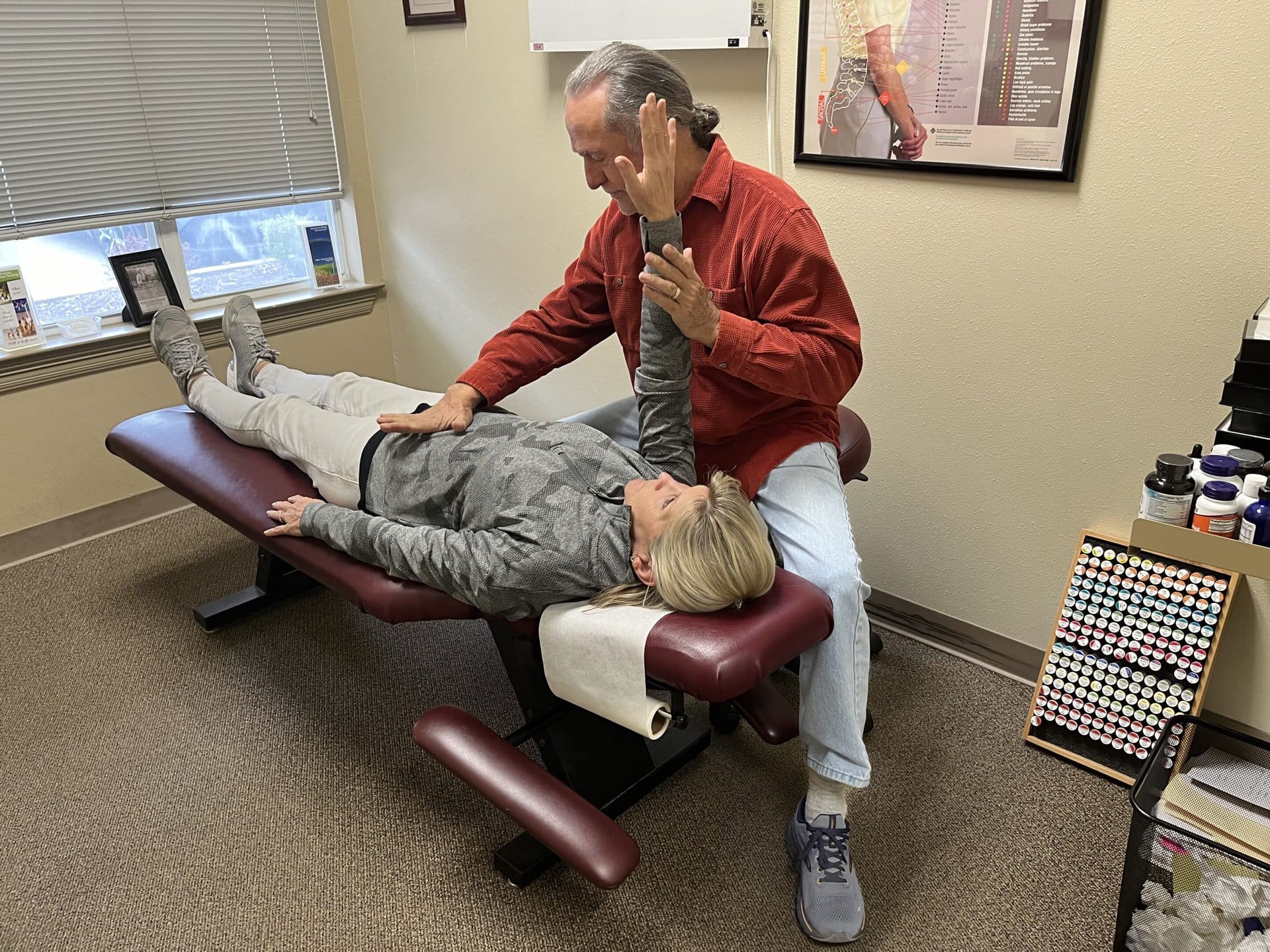
Mandeville Total Wellness specializes in Nutrition Response Testing, Chiropractic Care and other wellness treatments, dedicated to fostering your body’s natural healing abilities. Our team combines years of expertise in nutrition and chiropractic wellness with a passion for holistic health, offering personalized care tailored to each individual’s needs. Grounded in the belief that true wellness comes from harmony within the body’s systems, we are at the forefront of a health revolution, guiding you towards optimal health. Discover a vibrant, healthier you with Mandeville Total Wellness, your partners in holistic healing.