

Back pain affects millions worldwide, often leading to decreased quality of life and increased dependency on pain medications, which are not without their risks. Chiropractic care offers a potent, non-invasive alternative that directly addresses the root causes of back pain through spinal adjustments and manipulations. A chiropractor can assess potential causes of back pain, identify issues related to spinal alignment and joint function, and recommend conservative treatment approaches that may help improve mobility, reduce discomfort, and support long-term musculoskeletal health.
Foundational Chiropractic Care
Chiropractic care often focuses on the relationship between the musculoskeletal system, movement, and pain management. Manual manipulation may be used to improve mobility in joints affected by injury, repetitive strain, or stiffness. This approach can help some patients manage back pain and improve physical function. The National Center for Complementary and Integrative Health reports that spinal manipulation may produce modest improvements in pain and function for people with acute or chronic low-back pain. (NCCIH)
- Chiropractors are trained to use precise hands-on techniques.
- The goal is to enhance spinal motion and improve physical function.
- Chiropractic care is commonly used for back pain and other musculoskeletal complaints.
- Research suggests spinal manipulation may provide modest improvements in both pain and function for some people with low-back pain.
Benefits of Chiropractic Adjustments
Chiropractic adjustments involve the chiropractor applying controlled pressure to the spine, which can improve alignment and overall physical response. Studies suggest that these adjustments can significantly reduce lower back pain and improve spinal function. According to the National Center for Complementary and Integrative Health, low back pain is one of the most common reasons adults seek complementary health approaches, including chiropractic care. This form of treatment can also reduce the need for painkillers and potentially invasive procedures.
- Adjustments are tailored to each patient’s specific needs.
- They aim to reduce pain and increase performance.
- Chiropractic care can decrease dependency on medication.

When to Consider a Chiropractor for Back Pain
A person might consider chiropractic care for persistent lower back pain, muscle aches, or certain types of musculoskeletal discomfort after receiving an appropriate evaluation. Chiropractic care can be one option among several non-drug approaches rather than something reserved only for cases where every other treatment has failed. The VA/DoD clinical guideline suggests spinal mobilization or manipulation for chronic low-back pain, although the recommendation is considered weak and treatment should reflect the individual patient’s condition. (Health Quality VA)
- Consider chiropractic care as one possible non-drug treatment for back pain.
- It may be appropriate for persistent lower back pain or certain muscle and joint complaints.
- Pain traveling down the leg should be evaluated to determine its cause before treatment.
- VA/DoD guidelines include spinal mobilization or manipulation as a treatment option for chronic low-back pain.
Chiropractic Techniques for Back Pain
Chiropractors employ various techniques to treat back pain, which may include manual spinal adjustments, mobilization, and other forms of musculoskeletal care. The specific technique chosen depends on the individual’s condition, physical findings, and treatment goals. The National Center for Complementary and Integrative Health explains that chiropractic manual treatments can range from stretching and sustained pressure to specific joint manipulation. (NCCIH)
- Spinal manipulation is a commonly used chiropractic technique.
- Chiropractors may use mobilization to address restricted joint movement.
- Additional therapies may be incorporated when appropriate for the patient’s condition.
- Chiropractic treatment can also include stretching and sustained pressure in addition to joint manipulation.

Choosing the Right Chiropractor
Selecting a qualified chiropractor is crucial. Look for someone who is licensed and has good reviews from previous patients. They should also offer a clear treatment plan and be willing to work collaboratively with other healthcare providers as necessary.
- Ensure the chiropractor is licensed and experienced.
- Check reviews and testimonials from other patients.
- A good chiropractor will offer a clear, personalized treatment plan.
Safety and Risks of Chiropractic Care
While chiropractic care is widely regarded as safe, it is not completely free of risks. The risks are generally low, and serious complications are uncommon when care is provided by a trained professional. According to the National Center for Complementary and Integrative Health, the most common side effects following spinal manipulation are temporary soreness, stiffness, or discomfort that typically resolve within a short period. Patients should always disclose their full health history so treatment decisions can be made with safety in mind.
- Chiropractic care is considered safe for most people.
- Disclosure of health history is crucial to minimize risks.
- Complications are rare but can occur.
Key Takeaways for Chiropractic Care in Treating Back Pain
Chiropractic care offers a reliable alternative to traditional medical treatments for back pain. It addresses not just the symptoms but also the underlying causes of pain through natural, non-invasive techniques. Key takeaways include:
- Chiropractic care is effective for both acute and chronic back pain.
- It provides a viable alternative to medication and surgery.
- Early intervention can enhance outcomes.

Frequently Asked Questions
- How quickly can I expect relief from my back pain with chiropractic care?
- While individual experiences vary, many patients feel relief immediately after their first few sessions.
- Is chiropractic care covered by health insurance?
- Many insurance plans do cover chiropractic care, but it’s important to check with your provider for specific details.
- Can chiropractic care cure other ailments besides back pain?
- Chiropractic care is primarily used for musculoskeletal issues, including neck pain and headaches, alongside back pain.
- How often should I see a chiropractor?
- The frequency of visits can vary based on your condition and the severity of your symptoms. Your chiropractor will recommend a treatment plan tailored to your needs.
- Can children receive chiropractic care?
- Yes, chiropractors are trained to treat patients of all ages, including children, using appropriate techniques.
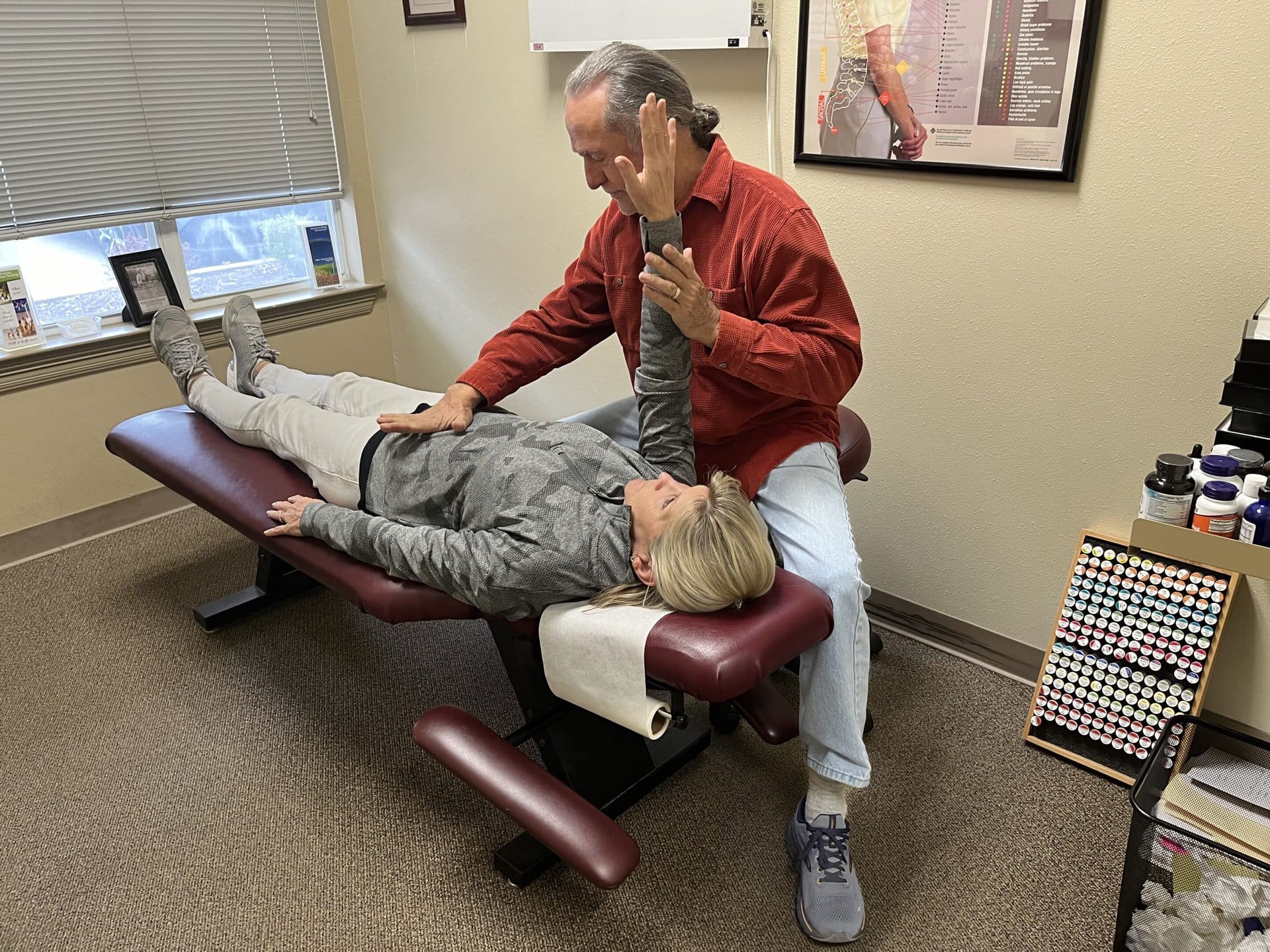
Mandeville Total Wellness specializes in Nutrition Response Testing, Chiropractic Care and other wellness treatments, dedicated to fostering your body’s natural healing abilities. Our team combines years of expertise in nutrition and chiropractic wellness with a passion for holistic health, offering personalized care tailored to each individual’s needs. Grounded in the belief that true wellness comes from harmony within the body’s systems, we are at the forefront of a health revolution, guiding you towards optimal health. Discover a vibrant, healthier you with Mandeville Total Wellness, your partners in holistic healing.